


If you or someone you know is experiencing domestic violence, the National Domestic Violence Hotline is available 24/7 at 1-800-799-7233 (SAFE). Trained advocates answer every call with confidentiality and without judgment, ready to provide immediate support, safety planning, and connections to local resources. You don’t need to give your name, and the call won’t appear on your phone bill under the hotline’s name.
Reaching out takes courage, especially when you’re unsure what will happen next or whether it’s safe to make the call. Many people hesitate because they worry about being told what to do, having authorities contacted without consent, or not being believed. The reality is different. Hotline advocates listen to your situation, respect your choices, and work with you to explore options at your own pace. They understand the complexities of abusive relationships and know that leaving isn’t always the safest or most realistic immediate step.
This guide walks through everything you need to know about domestic violence hotlines: what happens during a call, how to contact support discreetly, specialized hotlines for specific communities, and how advocates can help you create a safety plan whether you’re ready to leave or not. You deserve support, and these resources exist to meet you wherever you are in your journey.
Why Domestic Violence Hotlines Matter
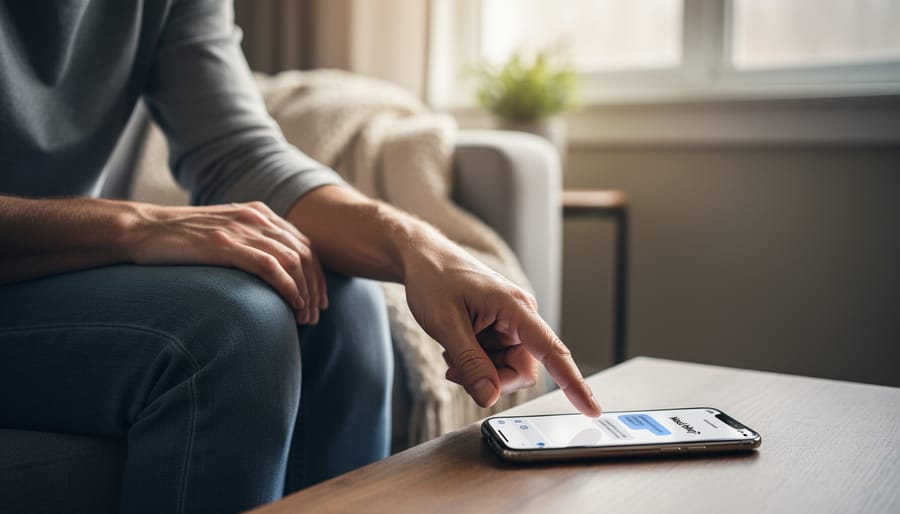
Domestic violence hotlines serve as a lifeline for people facing abuse, offering immediate support when they need it most. These services exist precisely because leaving an abusive relationship or seeking help can feel overwhelming, isolating, and dangerous. When someone calls, they connect with trained advocates who understand the complex dynamics of domestic violence and can provide crisis intervention without judgment or pressure.
The advocates who staff these hotlines aren’t just answering phones. They’re equipped to help assess your immediate safety, discuss options you might not have considered, and walk you through next steps at your own pace. Whether you’re in immediate danger, planning to leave, or simply trying to understand what’s happening in your relationship, hotline advocates offer a compassionate ear and practical guidance tailored to your specific situation.
Beyond emotional support, hotlines connect survivors to concrete resources that can transform their circumstances. Advocates maintain databases of local shelters, legal services, counseling programs, and emergency financial assistance. They understand the landscape of support in different communities and can help you access services you didn’t know existed. For many survivors, that first call becomes the turning point, not because they leave immediately, but because they realize they’re not alone and that trained people believe them and want to help.
Having a dedicated number matters because it removes barriers. You don’t need to know where to start, who to trust, or what to say. The number is the starting point, and everything else follows from there.
National and Canadian Domestic Violence Hotline Numbers
Getting immediate help starts with knowing the right number to call. In the United States, the National Domestic Violence Hotline offers 24/7 support at 1-800-799-7233 (SAFE). If you’re unable to speak safely, you can text “START” to 88788 or use their online chat at . These services are completely free and provide confidential support in many languages ensuring language barriers don’t prevent anyone from accessing help.
For deaf or hard of hearing individuals, the TTY line is available at 1-800-787-3224. Advocates trained in crisis intervention are ready to listen, believe you, and help you explore your options without judgment or pressure.
In Canada, several national hotlines serve different regions and communities. The Canadian Domestic Violence Hotline (1-800-363-9010) connects callers across the country to local resources and immediate support. Assaulted Women’s Helpline serves Ontario residents at 1-866-863-0511, with a TTY line at 1-866-863-7868. These services operate around the clock and maintain strict confidentiality.
Indigenous communities have access to culturally informed support through specialized services. In Canada, the Hope for Wellness Help Line (1-855-242-3310) provides support specifically for Indigenous peoples, with counselors who understand the unique cultural context and barriers many Indigenous survivors face. The service offers support in English, French, Cree, Ojibway, and Inuktitut.
All of these hotlines share a common commitment: they exist to help you, not to judge your situation or force decisions. Whether you’re calling for yourself or someone you care about, trained advocates understand the complexity of domestic violence and will meet you wherever you are in your journey.
What Happens When You Call a Domestic Violence Hotline
Confidentiality and Privacy Protections
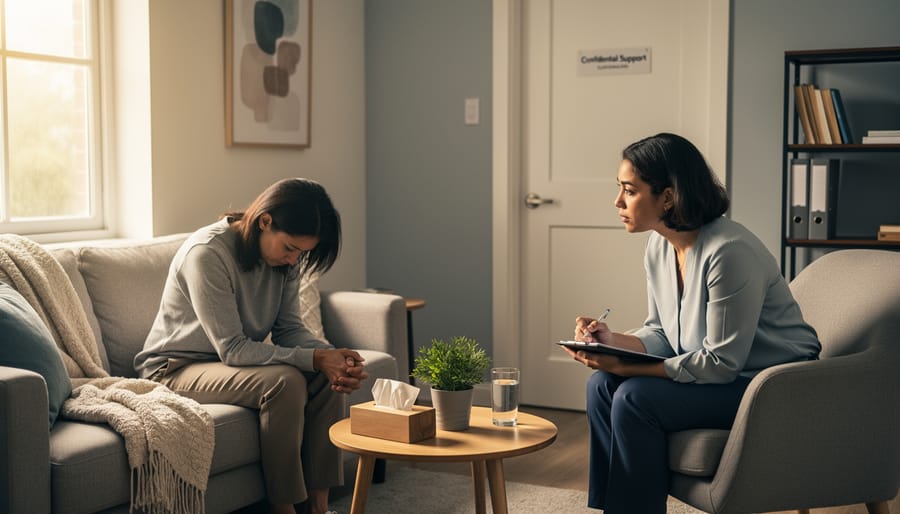
When you call a domestic violence hotline, your privacy is protected by strict ethical and legal standards. Advocates provide confidentiality without judgment meaning they will not share your information with anyone without your permission. You do not have to give your real name, and calls are not recorded or traced. The conversation stays between you and the advocate.
There are rare exceptions to confidentiality, primarily when there is immediate danger to a child or if a court orders disclosure, but advocates will explain these limits upfront. They will never share your information with an abuser or contact you without your consent.
If you are calling from a shared phone or device, advocates can help you delete call records and suggest safer ways to reach out, like using a public phone or a friend’s device. They understand the difference between domestic abuse vs violence and the unique safety concerns each situation presents. Your safety and control over your own information always come first.
Support Beyond the Initial Call
A single call to a domestic violence hotline can open the door to weeks or months of ongoing support tailored to your changing needs. Advocates don’t just answer your questions and say goodbye, they can follow up with you multiple times, checking on your safety and helping you navigate next steps as your situation evolves.
Hotlines connect you to local resources you might not know exist. They provide safety planning and referrals to shelters with available beds, legal aid organizations that offer free consultations, and counselors who specialize in trauma recovery. If you’re considering a protection order, advocates explain the process, help you gather necessary documentation, and sometimes connect you with legal advocates who can accompany you to court.
Many survivors call back multiple times before they’re ready to leave, and that’s completely normal. Hotline staff understand that leaving an abusive relationship is a process, not a single decision. They offer emotional support as you weigh your options, validate your feelings, and remind you that you’re not alone. Whether you need someone to talk through your fears at two in the morning or help brainstorming how to hide emergency cash, advocates remain a steady source of guidance without pushing you toward any particular choice.
Specialized Hotlines for Different Needs
While the National Domestic Violence Hotline serves everyone, specialized hotlines exist to address unique challenges faced by specific communities. These services employ advocates who understand cultural contexts, language barriers, and particular forms of abuse that mainstream resources might overlook.
LGBTQ+ survivors can reach out to services that recognize relationship violence in same-sex partnerships and understand concerns about outing, discrimination, or being turned away from traditional shelters. The GLBT National Help Center (1-888-843-4564) provides peer support and resource referrals tailored to queer and trans experiences.
For immigrant survivors, specialized hotlines address fears about deportation, language barriers, and cultural pressures. The National Immigrant Women’s Advocacy Project offers multilingual support and understands visa protections available to abuse survivors, regardless of immigration status.
Indigenous peoples face disproportionate rates of domestic violence, often compounded by historical trauma and jurisdictional complexities. StrongHearts Native Helpline (1-844-762-8483) provides culturally-grounded support that honors tribal sovereignty and traditional healing practices.
Teens experiencing dating violence can call Love Is Respect (1-866-331-9474), where advocates understand the particular dynamics of abuse in young relationships and can help without requiring parental notification in most cases.
If you’re experiencing human trafficking, the National Human Trafficking Hotline (1-888-373-7888) connects you to services that recognize trafficking as a form of intimate partner violence and can help with safe escape and recovery resources.
These specialized services exist because your specific circumstances matter. You deserve support that truly understands your situation.
When Calling Isn’t Safe: Alternative Ways to Get Help
If making a phone call puts you at risk, you’re not alone, and there are other ways to reach out for help. Many domestic violence organizations understand that abusers often monitor phone use, check call logs, or stay close enough to overhear conversations. This doesn’t mean you can’t access support, it just means you might need a different approach.
Text-based hotlines offer a safer option when speaking aloud isn’t possible. The National Domestic Violence Hotline provides text support by texting START to 88788. You can text for help from your phone even when someone is in the next room, and the conversation looks like any other text exchange. Online chat services work similarly, you can access confidential support through a computer or smartphone without making a sound. The hotline’s website offers a live chat feature that connects you with trained advocates who can provide the same support as phone counselors.
Creating a written safety plan on your own is another valuable step, even without immediate outside contact. Write down important phone numbers, addresses of safe places, and items you’d need to take if you had to leave quickly. Some people keep this information in a trusted friend’s home or stored in a private email account rather than where it might be discovered.
Reaching out to someone you trust, a friend, family member, coworker, or faith leader, can provide crucial support when direct hotline contact isn’t safe. You might share concerns in person during a moment away from your abuser, or use coded language in messages that only your trusted contact understands. Many survivors arrange check-in systems with friends who know to call for help if they don’t hear from them at expected times. If you’re struggling with what to do next, decision-making help can clarify your options when the path forward feels overwhelming.
Building Your Safety Plan with Hotline Support
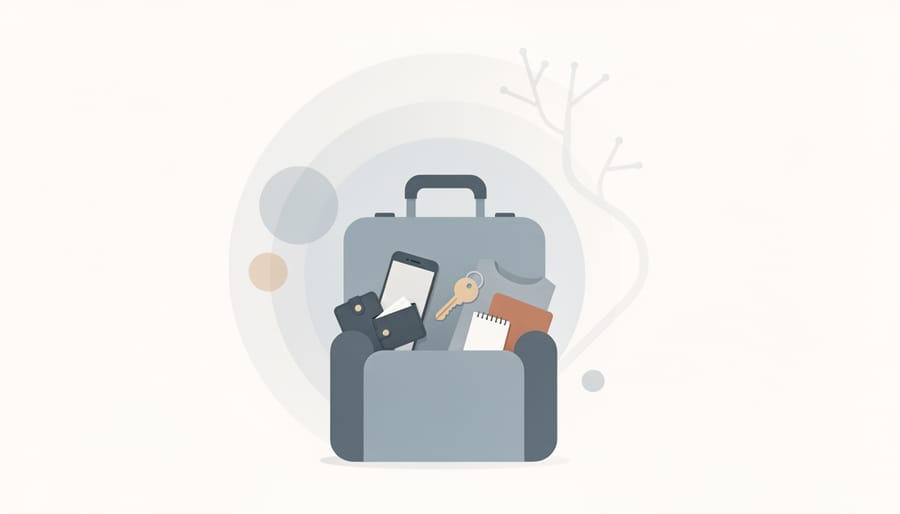
Hotline advocates recognize that safety planning is not one-size-fits-all. When you call, they’ll work with you to build a plan tailored to your specific situation, risks, and resources. You don’t need to be ready to leave right now for this planning to be valuable. A safety plan helps you think through options and prepare for different scenarios, whether you’re considering leaving, planning to stay, or somewhere in between.
If you’re preparing to leave, advocates can guide you through practical steps like gathering essential documents (birth certificates, passports, financial records), opening a separate bank account, packing an emergency bag, and identifying a safe place to go. They’ll help you think through timing and logistics to minimize danger during the transition. This includes planning safe transportation, identifying who can help, and considering workplace safety if an abuser knows your schedule.
Safety planning also addresses children and pets, as abusers often use them as leverage. Advocates can discuss custody considerations, school safety protocols, and connecting with organizations that provide temporary foster care for pets when shelters don’t allow animals.
Even if leaving feels overwhelming, hotline support can help reduce the stress of breaking anxiety around making decisions under pressure. Advocates understand the complexity of your situation and will never rush or judge you. They’ll help you identify immediate safety measures you can take today while keeping long-term options open.
Common Questions About Domestic Violence Hotlines
Many survivors hesitate to reach out because they worry about what will happen next or whether they’ll be taken seriously. Having these questions answered can make it easier to pick up the phone and ask for help.
Will hotline advocates believe me?
Yes. Hotline advocates are trained to believe survivors and provide non-judgmental support. You don’t need to prove what happened or convince anyone your situation is serious enough.
Will they automatically call the police?
No. Advocates won’t contact police without your consent unless you or someone else is in immediate danger. You control what happens during and after the call.
Is the call really free?
All domestic violence hotlines are completely free to call from any phone, including cell phones and payphones. There are no charges on your phone bill.
What if I’m not sure my situation counts as abuse?
Call anyway. Advocates can help you understand what you’re experiencing without labeling it for you. They won’t tell you what to do, but they’ll help you sort through your thoughts and concerns.
How can I help someone who might be experiencing abuse?
You can call a hotline yourself to get advice on how to support them. Advocates can suggest ways to offer help without putting your friend or family member at greater risk.
Remember that hotline advocates understand the complexity of abusive relationships. They know leaving isn’t always immediately possible or safe, and they won’t pressure you to make decisions before you’re ready. Whether you’re gathering information, considering your options, or in immediate crisis, calling provides access to someone who understands what you’re facing and can offer practical guidance tailored to your specific circumstances.
Reaching out for help takes courage. If you’re reading this, you’ve already taken an important step by seeking information about your options. Remember, you can contact the National Domestic Violence Hotline at 1-800-799-7233 any time, day or night. These advocates are trained, compassionate, and ready to listen without judgment.
No one deserves to be abused, threatened, or made to feel unsafe in their own home. The fear, confusion, and pain you may be experiencing are real, but they don’t define your future. Support is available, and you don’t have to navigate this alone.
Save hotline numbers in a way that feels safe to you, perhaps under a different contact name or on a piece of paper kept somewhere private. Trust your instincts about your safety. You know your situation better than anyone else, and your feelings are valid.
Recovery is possible. Thousands of survivors have found their way to safety and rebuilt their lives with support from hotlines, shelters, counselors, and communities that care. You deserve that same opportunity for healing and peace. Whether you’re ready to leave today or still gathering information, help is here whenever you need it.