


You can improve your mental and emotional health with small, steady practices: noticing what you feel, looking after your body, connecting with people you trust, and getting professional support when things feel heavy. None of it needs special equipment or a big life overhaul. Most people start with about ten minutes a day, and the first step is usually the hardest one.
Why does this work? Your mind and body are tied together. Sleep, movement, and regular meals shape your mood. Naming a hard feeling can take some of its power away. And talking to someone who listens, whether that’s a friend, an Elder, a counsellor, or a crisis line, reminds your nervous system that you’re not alone.
This guide is written gently, with people in mind who are living with stress, anxiety, low mood, or the aftermath of something painful. Maybe you’re carrying grief. Maybe you’re recovering from an unsafe relationship, or simply running on empty. Healing looks different for everyone, and your culture, community, and history all shape what support feels right.
We’ll cover what you need before you begin, when to pause and reach out for help, the steps in a sensible order, and how to tell whether things are actually getting better. You’ll also find Canadian resources along the way.
Go at your own pace. You don’t have to do everything, and you don’t have to do it perfectly. If you’re in crisis right now, call or text 988, Canada’s Suicide Crisis Helpline, any time, day or night.
What You Need Before You Begin: Tools, Support, and a Gentler Mindset

You don’t need much to start taking care of your mental and emotional health. No special equipment, no prior experience, and no money. What helps most is a few simple supports within reach and a kinder way of talking to yourself.
Here’s a short checklist to gather before you begin:
- A notebook or a notes app on your phone for jotting down feelings and thoughts.
- Reminder alerts on your phone to nudge you toward your daily check-in.
- One or two trusted people you can text or call when things feel heavy.
- A short list of support lines and local community resources, saved where you can find them fast.
- A quiet 10-minute window each day, even if it’s in a parked car or a bathroom with the door closed.
- A willingness to be kind to yourself, especially on the hard days.
Let’s talk about that support list for a moment, because it matters. Write down your local mental health line, a community health centre or clinic near you, and any peer support group you know of. In Canada, you can Call or text 9-8-8 at any hour to reach the Suicide Crisis Helpline. Save the number in your phone now, before you ever need it. Having it ready takes away one more thing to figure out in a difficult moment.
The 10-minute window is also worth protecting. It doesn’t have to be the same time every day, and it doesn’t have to be perfect. Some people use the first few minutes after waking. Others find it easier just before bed. If you’re a caregiver or work shifts, grab whatever pocket of quiet you can find. Ten small minutes still count.
Finally, bring a gentler mindset with you. You’re not trying to fix everything or become a different person. Starting small is the whole point. If you miss a day, you simply begin again, without blame.
When to Pause and Reach Out: Safety Warnings and Stop Signs
Self-help can be a real support, but it has limits, and knowing them is part of caring for yourself. Pausing to get more help is not giving up. It is often the wisest move you can make.
Please step back from these exercises and reach out to a professional or crisis line if any of the following sounds like you:
– You are having thoughts of suicide or of hurting yourself.
– You feel unsafe at home or afraid of someone close to you.
– Low mood, anxiety, or numbness has made daily life hard for several weeks.
– Alcohol or other substances feel out of your control.
– A practice stirs up overwhelming memories or feelings that you can’t settle.
If you are worried about a relationship, our domestic violence Q&A answers many questions people are afraid to ask. And if you need to get immediate help you’ll find hotline numbers there that connect you with support quickly and confidentially.
A few Canadian options are open to you any time. The 9-8-8 Suicide Crisis Helpline offers free, 24/7 call or text support. Kids Help Phone (1-800-668-6868) is there for young people. The Hope for Wellness Help Line (1-855-242-3310) offers culturally grounded support for Indigenous Peoples. Your local shelter or crisis line can also guide you toward safe next steps.
Work with painful or traumatic memories is best done alongside a trained counsellor or therapist, who can help you go at a pace that feels safe. If something in this guide feels like too much, put it down. You can come back to it later, or not at all, and that’s okay.
Six Steps to Strengthen Your Emotional and Psychological Health

Step 1: Notice and Name What You’re Feeling
Many of us move through the day without asking, “How am I actually feeling?” Yet research on affect labelling suggests that putting a name to an emotion can soften its edge. When a feeling has a word, it stops being a vague storm and becomes something you can look at.
A woman I’ll call Maya used to call every hard day “just stress.” When she began writing “I feel embarrassed” or “I feel lonely” in her notes app, she noticed the weight in her chest eased a little. The feelings didn’t vanish, but they felt more manageable once they had names.
Try this two-minute check-in:
1. Pause and take one slow breath.
2. Ask yourself, “What am I feeling right now?”
3. Name it in one or two words, such as tired, anxious, hopeful, or numb.
4. Write one sentence: “I feel ___ because ___.”
There are no wrong answers, and “I’m not sure” is a fine place to start. If naming feelings brings up something overwhelming, stop and take a break. Doing this daily, even briefly, builds the skill.
Step 2: Build Gentle Routines for Sleep, Food, and Movement
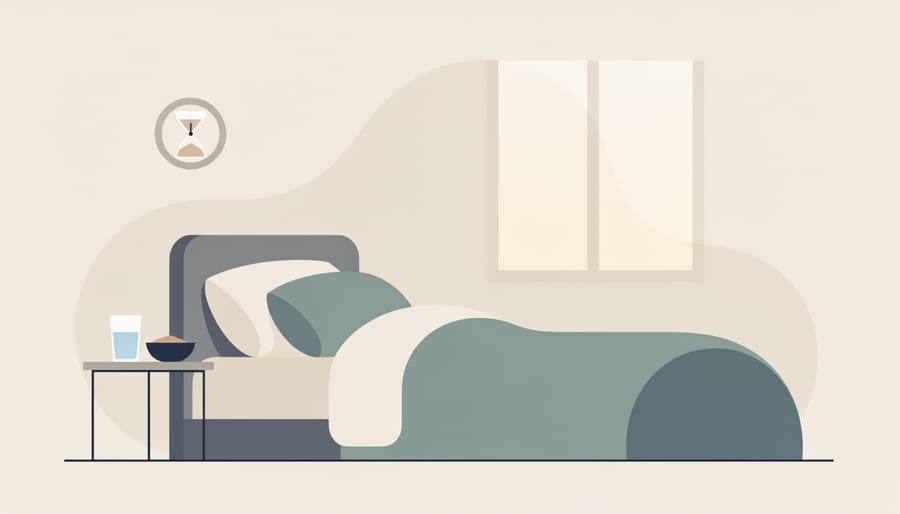
Your body and mind are in constant conversation. When sleep, meals, and movement are steady, your emotions often feel a little easier to carry. This step is about gentle structure, not perfection.
Start with sleep. Pick a wake-up time you can keep most days, then let bedtime follow. Even a rough window helps your body settle into a rhythm.
Next, aim for regular meals. Eating something every few hours can steady your energy and mood. It doesn’t need to be fancy. Toast and a banana count.
Then add movement. A 10-minute walk around the block, some stretching by a window, or gentle chair exercises can lift your mood and clear your head.
Real life doesn’t always fit a neat schedule. If you work shifts, anchor your routine to your own “morning,” whenever that is. If you’re caring for others, grab small pockets of rest and movement where you can. If you live with a disability or chronic illness, choose whatever movement feels kind to your body. And if money is tight, free options like walking, simple home meals, and a dark, quiet room go a long way.
Today’s action: choose one of the three and try it once.
Step 3: Learn Calming Skills for Hard Moments
When emotions spike, your body goes on alert first. Calming skills help your body settle so your thoughts can follow. Try one of these when you notice your heart racing or your mind spinning.
Slow breathing: Sit or stand comfortably. Breathe in through your nose for a count of four. Pause briefly. Breathe out slowly for a count of six. Repeat for about two minutes. The longer exhale signals your body that it’s safe to ease off.
5-4-3-2-1 grounding: Look around and name:
1. Five things you can see
2. Four things you can touch
3. Three things you can hear
4. Two things you can smell
5. One thing you can taste
Say them quietly or in your head, and go slowly. This pulls your attention out of worry and into the room around you.
If focusing on your breath feels uncomfortable or makes you more anxious, skip it. Press your feet into the floor, hold something cool, or stick with the grounding exercise instead. If a technique stirs up difficult memories, stop and choose something gentler. No skill is wrong for you, only a poor fit for today.
Step 4: Reconnect With Safe, Supportive People

Humans heal in connection, but that doesn’t mean you need a big social life. Start with one safe person: a friend who listens without fixing, a relative who is gentle with you, or someone you trust from your faith or cultural community. Try a short message like “I’ve been having a hard time. Can we talk this week?” A walk or a phone call can feel easier than a long visit.
If one-on-one feels like too much, look at groups. Peer support circles, community centres, cultural gatherings, and moderated online groups let you be around others without carrying the whole conversation. If you join an online space, choose one with clear rules and kind moderators, and step away if it leaves you feeling worse.
Pay attention to how you feel afterward. A supportive person leaves you feeling heard, respected, and a little lighter. A draining one leaves you anxious, guilty, or small. You can take space from those people. If someone controls, threatens, or frightens you, that’s not a relationship problem to fix on your own. Please reach out to a trained support service.
Step 5: Set Boundaries and Lower Daily Stress
Boundaries are simply the limits that protect your energy. They don’t have to be harsh or dramatic. Start with a calm, short script: “I can’t take that on right now,” or “Thanks for asking, but I’m going to pass.” You don’t owe a long explanation.
Next, look at what floods your day. Try turning off news and social media notifications, and choose one or two set times to check updates instead of scrolling all day. Even a 30-minute screen-free window before bed can ease a racing mind.
Small cuts to overwhelm add up. Say no to one optional commitment this week. Ask for help with a single task. Leave a little breathing room between appointments.
A gentle note: if you are recovering from abuse or living with someone who is controlling, saying no may not be safe. Please set boundaries only when it is safe to do so, and consider talking with a trained support worker first, who can help you plan. Your safety always comes before any step on this list.
Step 6: Reach Out for Professional and Community Support
Reaching out is a strong step, not a sign that you’ve failed. In Canada, help comes in several forms. Your family doctor can talk through what you’re feeling, check for physical causes, and refer you onward. Counsellors, psychologists, and social workers offer talk-based support. Community mental health centres, peer support groups, and culturally responsive or Indigenous-led services can feel safer and more understood, especially if mainstream care hasn’t fit you well.
Starting the conversation can be simple: “I’ve been struggling lately and I’d like some help.” You don’t need the perfect words. At a first appointment, expect questions about what’s been happening, your sleep, your safety, and what you hope will change. You can ask questions too, and you’re free to say what you’re not ready to discuss.
If cost or waiting lists get in the way, try sliding-scale counsellors, walk-in clinics, workplace or student assistance programs, and free peer support lines. Support may take a few tries to find, and that’s okay.
How to Tell It’s Working and What to Do Next
Progress in mental and emotional health rarely announces itself. It tends to show up in small, quiet ways, so it helps to know what to look for.
Try a few simple measures. Jot down a one-to-five mood rating each evening. Note how well you slept and roughly how much energy you had. Then pay attention to something many people overlook: how quickly you recover after a hard moment. Bouncing back in an hour instead of a day is real progress, even if the hard moment itself still happens.
Small wins count. Maybe you named a feeling before it snowballed, took your walk on a tough day, or finally texted a friend back. If you’re working on breaking anxiety’s grip a win might simply be noticing the spiral sooner. And if big choices feel foggy right now, you can improve decision-making over time with the same patient, practical approach.
A simple four-week rhythm keeps this manageable. In week one, just start tracking. In weeks two and three, keep going and notice patterns. At the end of week four, look back over your notes and ask what helped, what didn’t, and what you’d like to adjust.
If progress stalls, don’t read it as failure. Shrink the habit, swap in a different step, or lean more on other people. Setbacks happen to everyone, and they say nothing about your worth. Treat yourself the way you’d treat a friend having a rough week.
When you’re ready for more support, our resources on anxiety, depression, substance use, and abuse recovery can guide your next step. If your notes show things getting worse rather than better, that’s a good moment to reach out to a professional.
Common Questions About Improving Mental and Emotional Health
How long does it take to feel better?
There’s no set timeline, and it’s different for everyone. Many people notice small shifts in a few weeks, like sleeping a little better or recovering faster from a rough moment, while deeper change takes longer and rarely moves in a straight line.
Can I improve my mental health without therapy?
Yes, daily habits like routines, connection, and calming skills can make a real difference. If your symptoms are heavy or lasting, though, support from a counsellor or doctor can make the work easier, and it’s never a sign of weakness to ask.
What if I try these steps and still feel low?
That doesn’t mean you’re doing it wrong. Some struggles need more than self-help, so if low mood lingers for weeks or affects daily life, please reach out to your family doctor or a mental health professional. If you ever feel unsafe, call or text 9-8-8 any time.
Is it okay to start with just one step?
Absolutely. One small step you actually do beats six you never start, and you can add more whenever you feel ready.
Good days and bad days are completely normal. Healing tends to look like a winding path, not a staircase, and a hard day doesn’t erase your progress. When a rough patch hits, treat it as information about what you need, not as a failure. If you’re stuck on a tough choice, working through these 6 decision steps can take some of the weight off.
Many readers also ask how they can support someone they care about. Start by listening without rushing to fix anything. Simple words like “I’m here, and I’m glad you told me” go a long way. Offer practical help, such as sitting with them while they make a call or joining them for a short walk, and check in again later, because steady presence matters more than perfect advice. Gently encourage professional support if they’re struggling for a long time, and look after your own wellbeing too. You can care deeply without carrying everything alone.
Improving your mental and emotional health doesn’t happen all at once. It happens in small, ordinary moments: the morning you name a feeling instead of pushing it away, the evening you go for a short walk, the day you finally text someone you trust. None of these moments looks like much on its own. Together, they add up to real change.
You don’t have to do everything in this article. You don’t have to do it perfectly, either. Some days will feel lighter, and some will feel heavy, and both are part of healing. What matters is that you keep coming back to yourself with kindness.
So pick just one step to try this week. Maybe it’s a two-minute check-in with your feelings, or a few slow breaths before bed, or a conversation with someone who makes you feel safe. Start there, and let it be enough.
And remember, you are not alone in this. Support is out there, whether that’s a friend, a counsellor, a peer group, or a crisis line like 9-8-8, which you can call or text anytime in Canada. Reaching out is a sign of strength, not weakness.
You’ve already taken a step by being here. Be gentle with yourself, keep going, and trust that better days are possible.