


If you’re asking questions about domestic violence, you’re already taking an important step. Whether you’re wondering if what’s happening to you counts as abuse, trying to understand a partner’s behavior, or seeking clarity on behalf of someone you care about, your questions deserve honest, compassionate answers.
Domestic violence isn’t always what we see in movies or on the news. It doesn’t require visible bruises or dramatic confrontations to be real and harmful. Abuse shows up in patterns of control, manipulation, intimidation, and fear that erode your sense of safety and self-worth over time. Many people spend months or even years questioning whether their situation qualifies as abuse because what they’re experiencing doesn’t match the narrow images they’ve seen.
The questions you’re asking right now matter because recognizing abuse is often the hardest part. You might be wondering if you’re overreacting, if it’s really that bad, or if you’re somehow responsible for your partner’s behavior. These doubts are common, and they don’t mean your concerns aren’t valid. Abusive relationships create confusion by design, making it difficult to trust your own perceptions.
This article addresses the most critical questions people ask when they’re trying to make sense of domestic violence. You’ll find clear answers that validate your experiences, help you identify patterns of abuse, and offer practical guidance for what comes next, whether that means planning for safety, reaching out for support, or simply understanding what’s happening to you.
What Actually Counts as Domestic Violence?
Domestic violence isn’t always visible bruises or broken bones. Many people don’t realize they’re experiencing abuse because it doesn’t match the dramatic portrayals they’ve seen on television or in movies. The truth is, domestic violence exists on a wide spectrum, and physical violence is just one part of it.
If someone controls your money, monitors your phone, constantly criticizes you, or pressures you sexually, that’s domestic violence too. Understanding the full range of abusive behaviors is the first step toward recognizing what’s happening in your relationship.
- Physical Abuse
- Any intentional use of physical force to cause harm, fear, or control, including hitting, pushing, restraining, or destroying property. This also includes threats of physical violence.
- Emotional and Psychological Abuse
- Patterns of behavior designed to undermine your self-worth and mental health, such as constant criticism, humiliation, gaslighting, threats, or isolating you from friends and family. This type often leaves the deepest scars even without physical contact.
- Financial Abuse
- Controlling or sabotaging your access to money and economic resources, including preventing you from working, taking your earnings, ruining your credit, or forcing you to account for every dollar you spend.
- Sexual Abuse
- Any sexual activity without full consent, including pressure to engage in unwanted acts, reproductive coercion, or using sex as a weapon to control or punish you.
- Digital Abuse
- Using technology to monitor, harass, or control you through constant texting, demanding passwords, tracking your location, checking your messages, or posting about you online without permission.
These categories often overlap. An abuser might combine several tactics to maintain power and control. For example, someone might use your phone to track your whereabouts, criticize you in front of others to undermine your confidence, then restrict your access to bank accounts so you feel financially trapped.
What makes something abusive isn’t just the individual action but the pattern and intent behind it. Domestic violence is about one person systematically taking away another person’s autonomy, safety, and sense of self. A single argument where voices are raised isn’t the same as a pattern where one partner uses yelling to intimidate and silence the other.
You don’t need visible injuries to be experiencing real abuse. Emotional scars are just as valid, and the impact on your mental health, your sense of safety, and your ability to make choices about your own life matters deeply. If your partner’s behavior makes you feel controlled, afraid, worthless, or trapped, trust that feeling.
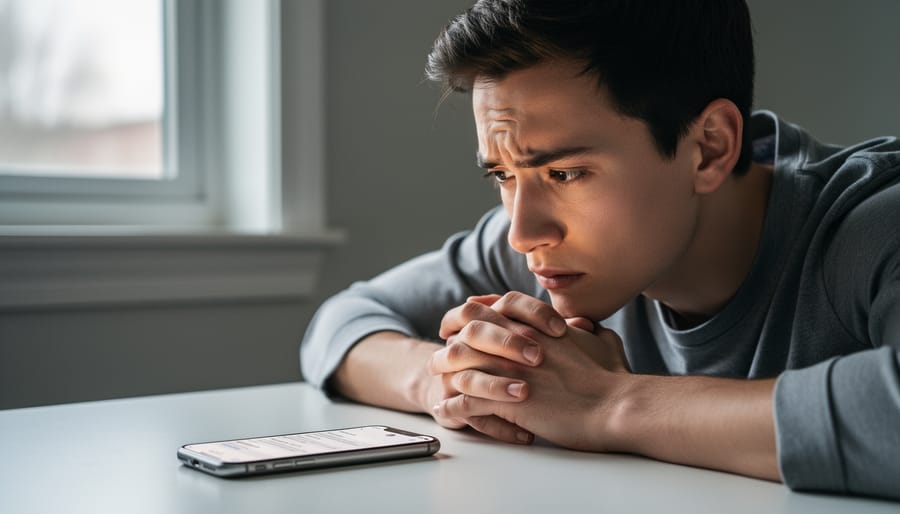
How Do I Know If What I’m Experiencing Is ‘Bad Enough’?
If you’re asking this question, you’re already experiencing something harmful. There’s no minimum requirement for abuse to “count.” You don’t need broken bones, visible bruises, or screaming matches for your experience to be valid and worth addressing.
Many people minimize what’s happening to them by comparing it to what they imagine “real” abuse looks like. You might think, “Well, they’ve never hit me” or “Other people have it worse.” This comparison trap keeps you stuck and prevents you from getting help. The truth is, abuse doesn’t need to escalate to physical violence to damage your wellbeing, sense of self, or safety.
If someone’s behavior makes you feel afraid, controlled, constantly criticized, or like you’re walking on eggshells, that matters. If you’re changing who you are, what you wear, who you see, or how you speak to avoid their anger or disapproval, that’s a problem. If you feel isolated from friends and family, doubt your own perceptions, or find yourself constantly apologizing for things that aren’t your fault, you’re experiencing harm.
Abuse often starts subtly and builds gradually, which makes it harder to recognize. An abusive partner might be loving and wonderful sometimes, making you question whether the bad times are really that serious. But relationships shouldn’t require you to sacrifice your autonomy, dignity, or peace of mind during the “good” times.
Your gut feeling that something is wrong deserves attention. The fact that you’re questioning whether your situation is “bad enough” suggests you’re already being hurt in ways that matter. You don’t need permission to seek support, set boundaries, or leave. Your discomfort, fear, or unhappiness is reason enough to reach out for help and explore your options.

Why Can’t I Just Leave?
“Why can’t I just leave?” may be the question you’ve asked yourself countless times, or the one others have asked you with frustration in their voices. If you’re still in an abusive relationship, it’s not because you’re weak, foolish, or broken. Leaving an abusive partner is one of the most dangerous and complex decisions a person can make, and the barriers keeping you there are real, valid, and often overwhelming.
The simple answer is this: leaving isn’t simple. Despite what well-meaning friends or family might suggest, walking away from an abusive relationship involves navigating a maze of practical obstacles, emotional ties, legitimate fears, and deeply rooted trauma responses. Understanding these barriers doesn’t mean you’re making excuses, it means you’re facing reality with clear eyes.
The reasons people stay in abusive relationships are as varied as the people themselves, but certain patterns emerge again and again:
- Financial dependency, including lack of income, shared accounts, or sabotaged employment
- Fear for your safety or your life, knowing that leaving is often the most dangerous time
- Concern for children, whether about custody, their relationship with the abuser, or disrupting their lives
- Lack of support system due to isolation or geographic distance from family and friends
- Cultural or religious beliefs about marriage, divorce, or family unity
- Immigration status concerns, particularly if your legal status depends on your partner
- Hope that your partner will change, especially after promises and brief periods of remorse
- Trauma bonding, where intense experiences create a powerful attachment despite the harm
Each of these barriers carries its own weight. You might recognize one or two, or you might see yourself in all of them. Financial concerns aren’t shallow, they’re survival. When your partner controls the money, threatens to leave you destitute, or has undermined your ability to work, the prospect of homelessness or poverty becomes terrifyingly real. You’re not materialistic for worrying about how you’ll feed yourself or your children.
Fear isn’t paranoia, either. Statistics show that the period immediately after leaving is when victims face the highest risk of serious violence or death. Your instincts telling you to be careful aren’t wrong. And if you have children, the emotional calculus becomes even more complicated. You might worry about losing custody to someone who knows how to present well in court, or about traumatizing your kids by uprooting their lives, even as you know the current situation harms them too.
Trauma bonding deserves special mention because it’s often misunderstood. This isn’t simply “loving your abuser”, it’s a psychological response where your brain forms intense attachments through cycles of abuse and affection, punishment and reward. Your nervous system becomes wired to seek comfort from the very person causing you harm. This isn’t a choice you made; it’s how human beings respond to sustained trauma and intermittent reinforcement.
The question isn’t why you haven’t left. The question is: given everything you’re facing, what support and resources would actually make leaving possible? That shift in perspective matters, because it moves responsibility where it belongs, not on you to simply “be stronger,” but on creating genuine pathways to safety.
Is It My Fault? Did I Cause This?
No. The abuse you’re experiencing is not your fault. It doesn’t matter what you said, what you wore, what you forgot to do, or how you reacted. Nothing you did caused someone to choose to hurt you.
Abusers are experts at shifting blame. They’ll tell you that you made them angry, that you’re too sensitive, that you provoked them. They might say things like “if you hadn’t talked back” or “if you were a better partner, I wouldn’t have to” or “you know how I get when you do that.” These statements are designed to make you believe you have control over their behavior, when the truth is, you don’t. Their choice to abuse is theirs alone.
You might find yourself constantly analyzing your own actions, walking on eggshells, trying to be perfect so they won’t get upset. But here’s what happens: the goalposts keep moving. What was acceptable yesterday becomes a problem today. You can’t win because the game is rigged. The issue isn’t your behavior; it’s their need for control.
Abuse exists in all kinds of relationships, affecting people of every background, education level, income, and personality type. There is no type of person who “deserves” abuse or who “asks for it.” Smart, capable, kind people experience abuse. It’s not a reflection of your worth, your choices, or your character.
If you’ve ever fought back or said hurtful things in response to abuse, that doesn’t make you equally responsible. Reacting to sustained mistreatment is a normal human response to an abnormal situation. Defending yourself or losing your composure after prolonged abuse doesn’t cancel out what’s been done to you.
The person who is abusing you wants you to believe it’s your fault because it keeps you trapped and makes them unaccountable. Recognizing this blame-shifting for what it is, manipulation, is an important step toward seeing your situation clearly.
What If I Still Love Them?
Loving someone who hurts you is one of the most confusing, painful experiences you can go through. You might wonder how you can still have feelings for them after what they’ve done, or worry that your love means you’re weak or foolish. Let me be clear: loving your abuser doesn’t mean anything is wrong with you, and it certainly doesn’t mean you should stay.
Love is complicated. The person who abuses you likely wasn’t abusive from day one. You fell in love with moments of kindness, shared dreams, laughter, and connection. Those experiences were real. The person you love exists, but so does the person who harms you. Both can be true at the same time.
Abusive relationships often create especially intense emotional bonds. The cycle of tension, explosion, and reconciliation releases chemicals in your brain similar to addiction. The highs feel higher because the lows are so devastating. This isn’t weakness. It’s biology mixed with emotional attachment.
Here’s what matters: love alone isn’t enough to sustain a healthy relationship. Love doesn’t erase harm. It doesn’t make abuse hurt less, and it doesn’t protect you from future violence. You can love someone deeply and still recognize that the relationship is destroying you.
Your feelings don’t have to dictate your choices. You can love them and leave. You can grieve the relationship you hoped for while protecting yourself from the reality of what it is. You can honor your emotions while prioritizing your safety.
Loving them doesn’t mean you caused the abuse, that you can fix it, or that you owe them another chance. You deserve love that feels safe, not love that leaves bruises, whether physical or emotional.
Will They Change If I Just Try Harder?
It’s one of the most painful questions you might be asking yourself: if you just loved them more, communicated better, stopped doing the things that upset them, would they finally change?
The short answer is no. Your efforts, however heroic, cannot change someone else’s abusive behavior.
Abusers often promise to change, especially after violent or particularly cruel incidents. They may cry, apologize profusely, beg for forgiveness, or swear it will never happen again. These promises can feel incredibly sincere in the moment. They might go to therapy once or twice, stop drinking temporarily, or be loving and attentive for days or weeks. This hopeful period is part of what experts call the cycle of violence: tension builds, an abusive incident occurs, then comes the “honeymoon phase” of apologies and promises before the cycle repeats.
Here’s what’s crucial to understand: change requires the abuser’s own sustained commitment to addressing their behavior, not your efforts to be “better” or more accommodating. Real change means they acknowledge the full extent of their abusive behavior without minimizing or blaming you. It means completing a specialized abuser intervention program over many months, not just a few therapy sessions. It means accepting full responsibility and demonstrating changed behavior consistently over years, not weeks.
False change looks like temporary improvements that fade once they feel secure you won’t leave. It includes apologies that come with excuses or subtle blame. Watch for promises without action, or change that only happens when they fear consequences.
If you’ve been trying harder for months or years and the abuse continues in any form, that’s your answer. You cannot love someone into treating you with respect. Their behavior is their choice, and change must come from their genuine decision to do the difficult work of transformation.
What About the Children?
One of the most agonizing questions parents face is whether to stay “for the sake of the children.” You might believe that keeping the family together, even with the abuse, provides more stability than separation would. This thinking comes from a place of love and protection, but research consistently shows something different: children are profoundly affected by witnessing domestic violence, even when they’re not directly targeted.
When children grow up in homes with domestic violence, they experience chronic stress that impacts their developing brains. They may struggle with anxiety, depression, difficulty concentrating at school, and trouble forming healthy relationships. Some become withdrawn and fearful, while others act out the aggression they’ve witnessed. These effects can follow them into adulthood, influencing their own relationship patterns and mental health.
You might worry about custody arrangements and whether leaving could mean losing your children or giving the abuser unsupervised access. These fears are valid and important to address with a domestic violence advocate or attorney who understands abuse dynamics. Courts in many jurisdictions now recognize domestic violence as a factor in custody decisions, and advocates can help you document the abuse and present your case effectively.
The question isn’t whether your children will be affected by your decision, they’re already being affected by living with abuse. The question is whether you can create a safer environment for them, even if that means the family structure changes. Children need a calm, predictable parent more than they need two parents under one roof. When you take steps toward safety, you’re teaching them that abuse isn’t acceptable and that they deserve respect and peace. That lesson is worth more than an intact but harmful household.
Who Can I Talk To Without Making Things Worse?
You don’t have to figure this out alone, but I understand the fear that telling someone might make things more dangerous. That fear is valid, abusers often escalate when they sense they’re losing control. The key is choosing who to talk to carefully and on your terms.
Start with trained professionals who understand safety. National domestic violence hotlines (like 1-800-799-7233) are confidential, don’t show up on phone bills, and staff can help you assess risk. These advocates won’t pressure you to leave or report anything you’re not ready for. They listen, validate your experience, and help you think through options at your own pace.
Local domestic violence organizations offer free, confidential counseling and advocacy. You can usually walk in or call without giving your real name. These counselors specialize in safety planning and understand the complexities you’re facing. Many also offer support groups where you’ll meet others who truly get it.
Be selective with friends and family. Choose people who can keep confidence and won’t take matters into their own hands. Avoid anyone who knows your partner well or might inadvertently mention your conversation. The right person listens without judgment, respects your timeline, and doesn’t push you into decisions you’re not ready for.
Use caution with couples counseling or religious leaders. Couples therapy isn’t appropriate for domestic violence, it can actually increase danger. Some faith leaders lack training in abuse dynamics and may prioritize keeping the relationship intact over your safety.
Clear your browser history after researching resources. Consider using a library or friend’s device. You can speak to someone safely, you just need to choose wisely and take basic digital precautions.
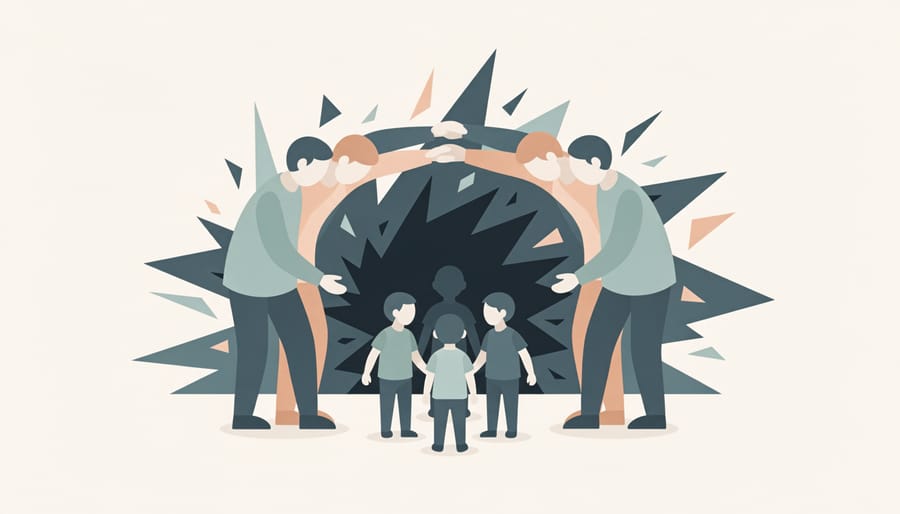
What If No One Believes Me?
The fear that no one will believe you is one of the most isolating aspects of domestic violence. This fear isn’t paranoia, many abusers are exceptionally skilled at maintaining a charming public image while being cruel in private. You might worry that friends, family, or even professionals will see you as exaggerating or causing problems because your partner seems so kind and reasonable to everyone else.
This discrepancy is intentional. Many abusers carefully control their public persona precisely to make disclosure harder for you. They may be charismatic, helpful in the community, or well-respected professionally. This doesn’t make your experience less real or less valid.
If you’ve already tried to tell someone and weren’t believed, that response reflects their limitations, not the truth of what you’re experiencing. Some people genuinely can’t reconcile the person they know with the behavior you’re describing. Others may minimize abuse because acknowledging it would require them to act, which feels uncomfortable.
You can strengthen your position by documenting what’s happening. Keep a private journal with dates, times, and details of incidents. Save threatening messages, emails, or voicemails in a secure location your partner can’t access. Photograph injuries. Share what’s happening with your doctor and ask them to note it in your medical records.
Domestic violence advocates and hotline counselors are trained to believe survivors and understand these dynamics. They won’t question whether your experience is “real enough” and can connect you with people who will support you, even if those closest to you initially struggle to understand.
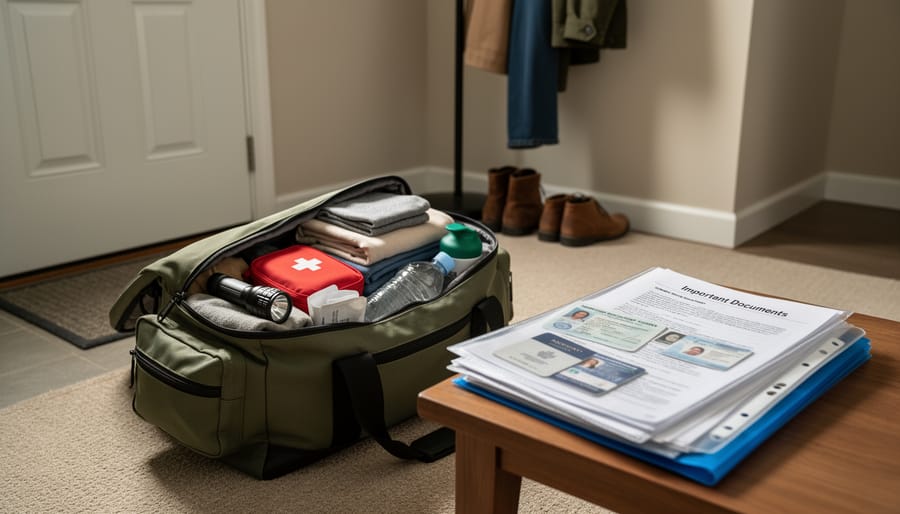
What Are My First Steps to Safety?
Safety planning doesn’t mean you have to leave right now. It means creating options for yourself, whether you stay or go. These first steps put you in a stronger position and help protect you no matter what you decide.
Start by reaching out to someone who understands domestic violence. A trained advocate can help you think through your specific situation without pressure or judgment. They’ll work at your pace and respect your decisions about what feels right for you.
- Contact a domestic violence hotline like the National Domestic Violence Hotline (1-800-799-7233) or use their online chat if calling isn’t safe. They’re available 24/7 and can help you create a personalized safety plan.
- Create a safety plan that addresses your unique situation. This includes identifying exits from your home, safe places you can go, and strategies for de-escalating dangerous situations if possible.
- Document incidents safely by keeping a journal in a secure location your partner doesn’t access, taking photos of injuries, saving threatening messages, and keeping medical records. Store these in a cloud account with a new password or with someone you trust.
- Gather important documents when it’s safe to do so: birth certificates, Social Security cards, passports, bank statements, insurance policies, lease or mortgage papers, and any protection orders. Make copies and store them outside your home if possible.
- Identify safe people and places. Think about who you could call day or night, where you could go in an emergency, and have a code word with trusted friends or family that signals you need help.
- Pack an emergency bag with clothes, medications, copies of important documents, some cash, and items for children if you have them. Keep it somewhere accessible but hidden, or leave it with someone you trust.
These steps aren’t all-or-nothing. Do what you can when you can. Even taking one small action moves you toward greater safety. Some days that might mean calling a hotline. Other days it might mean quietly photocopying a document or memorizing a phone number.
Safety planning is deeply personal. What works for one person might not work for another. An advocate can help you think through the details specific to your life, your partner’s patterns, and your resources. They understand that leaving can be the most dangerous time and will never push you before you’re ready.
The fact that you’re here, asking these questions, matters more than you might realize. It takes real courage to look honestly at your relationship and seek clarity about what you’re experiencing. Questioning your situation isn’t weakness, it’s the beginning of reclaiming your power.
You deserve to be treated with respect, safety, and dignity. Not someday. Not after you’ve earned it or changed enough or tried harder. Right now, exactly as you are. Domestic violence thrives in silence and isolation, and by seeking information and asking hard questions, you’re already breaking that pattern.
Your situation may feel overwhelming, but it’s not hopeless. Thousands of people who once felt exactly as you do now have found their way to safety and healing. You don’t have to have all the answers or a perfect plan. You don’t even have to be ready to leave. You just need to take the next small step that feels right for you.
Help is available whenever you’re ready. The National Domestic Violence Hotline (1-800-799-7233) operates 24/7 with trained advocates who understand what you’re going through. You can also text START to 88788 or chat online at . These conversations are confidential, and you can call just to talk through your questions without committing to any particular action.
You’re not alone in this, and you don’t have to figure it out by yourself.