


Recognize the warning signs that esport bet apostas may be affecting your mental health: persistent anxiety about betting outcomes, sleep disruption, withdrawal from relationships, or using gambling to escape difficult emotions. If you notice these patterns, reach out to a trusted friend, family member, or mental health professional immediately rather than waiting for the situation to worsen.
Set firm financial boundaries before engaging with esports betting platforms by creating a separate account with a predetermined monthly limit you can afford to lose, and never use credit cards or borrowed money for gambling activities. This protective measure helps prevent the spiral of chasing losses that often triggers depression and severe financial anxiety.
Practice the “48-hour rule” when you feel the urge to place a bet during emotional distress—wait two full days and assess whether the urge persists when you’re in a calmer state. This simple delay technique disrupts impulsive betting patterns that frequently develop into compulsive behavior.
Build alternative coping mechanisms for stress by identifying three activities unrelated to gambling that bring you genuine satisfaction, whether that’s physical exercise, creative hobbies, or social connection. When gambling becomes your primary emotional outlet, mental health inevitably suffers as other sources of wellbeing diminish.
Brazil’s evolving esports betting landscape brings both entertainment opportunities and significant mental health risks that deserve honest discussion. Understanding how regulation intersects with psychological wellbeing empowers you to make informed choices and recognize when support becomes necessary.
Understanding Brazil’s Esports Betting Regulation Landscape
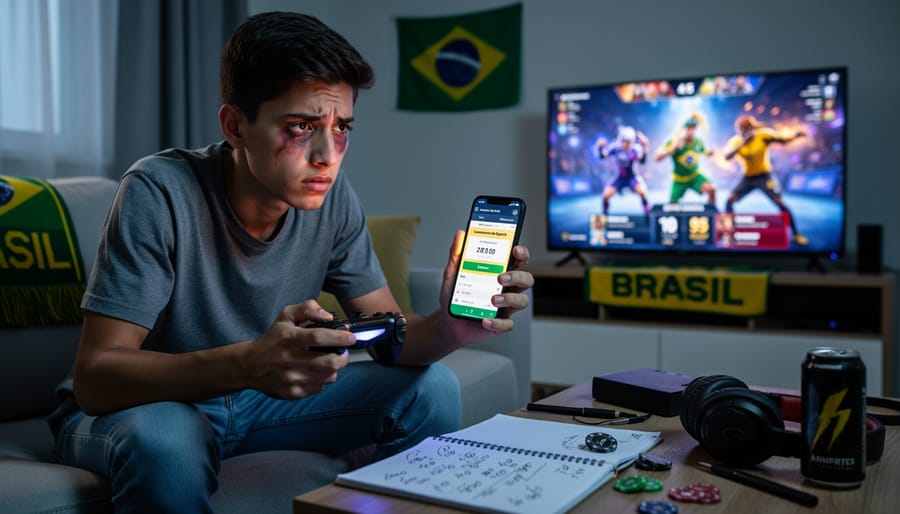
What Changed and When
Brazil’s approach to esports betting has evolved rapidly over recent years, creating new challenges for mental health and wellbeing. In December 2018, the country first legalized sports betting through Law 13.756, though regulations remained unclear for years. This created a gray market where many people placed bets through unregulated international websites without consumer protections.
The landscape shifted significantly in July 2023 when the government passed Law 14.790, establishing clearer rules for online betting, including esports. This law created a licensing system for betting companies and set the stage for tighter oversight. However, full implementation didn’t happen overnight. Throughout 2023 and early 2024, regulators worked on detailed guidelines while betting platforms proliferated.
By January 2024, licensed operators began emerging, but the surge in accessibility meant more people were betting on esports competitions than ever before. The government recognized growing concerns about gambling addiction and mental health impacts, particularly among younger adults who grew up with gaming culture.
As of 2024, Brazil continues refining these regulations to balance industry growth with public health protection. For anyone affected by betting-related stress or anxiety, understanding this shifting landscape helps explain why resources and support systems are still catching up to the rapid changes.
How Accessible Is Esports Betting Now?
Brazil’s regulation of esports betting has made it significantly more accessible than ever before. Licensed platforms now operate openly with streamlined sign-up processes, multiple payment options, and 24/7 availability through smartphones and computers. What once required effort to access is now just a few clicks away, with targeted advertisements appearing across social media and gaming communities.
While regulation brings important consumer protections, this increased accessibility carries mental health implications worth understanding. The ease of placing bets can blur the line between casual entertainment and compulsive behavior, particularly for individuals already managing anxiety or depression. Research shows that constant availability combined with the excitement of esports creates an environment where betting can quickly escalate beyond what someone originally intended.
You might notice yourself betting more frequently than planned, feeling anxious when you’re not able to place bets, or using betting to cope with difficult emotions. These are common warning signs that accessibility has become a concern for your wellbeing. Many people in Brazil are experiencing similar challenges as they navigate this newly regulated landscape. Remember, recognizing these patterns isn’t a personal failure—it’s an important first step toward protecting your mental health and making informed choices about your relationship with esports betting.
The Mental Health Connection: Why Regulation Matters
The Psychology Behind Esports Betting
Esports betting creates a unique psychological pull that differs from traditional gambling. The interactive nature of watching skilled players compete in games like League of Legends or Counter-Strike can make placing bets feel less like gambling and more like being part of the gaming community. When you already follow esports, betting might seem like a natural extension of your interest rather than a risk.
Several factors make esports betting particularly engaging. The constant availability of matches across global time zones means betting opportunities exist around the clock. Many bettors feel they have an edge because of their gaming knowledge, which can create false confidence about predicting outcomes. The fast pace of matches, some lasting only minutes, provides quick results and the temptation to place another bet immediately.
For some people, esports betting fills emotional needs beyond entertainment. It might offer escape from stress, loneliness, or difficult feelings. The excitement of a potential win can temporarily boost mood, creating a cycle where betting becomes a go-to coping strategy. Social media and streaming platforms often normalize betting through sponsorships and advertisements, making it feel like everyone participates.
These features do not make esports betting inherently harmful, but they do explain why some individuals develop problematic patterns. Understanding these psychological elements without judgment helps you recognize when betting shifts from casual enjoyment to something affecting your wellbeing, relationships, or financial stability. Awareness is the first step toward making informed choices about your participation.
Warning Signs You Might Be Struggling
Recognizing when esports betting is affecting your wellbeing can be challenging, especially when the activity starts as entertainment. If you’re wondering whether your betting habits might be impacting your mental health, these signs can help guide your self-reflection.
You might notice yourself thinking about betting constantly, even during work, meals, or time with loved ones. This preoccupation can steal your focus from things that once brought you joy. Perhaps you’ve been placing larger bets than you intended, chasing losses, or feeling like you need to bet more frequently to experience the same excitement.
Emotional changes often appear before we fully recognize them. Do you feel anxious, irritable, or restless when you’re not betting? Have you noticed mood swings that coincide with wins or losses? Many people experience feelings of shame or guilt about their betting but continue anyway, creating a cycle that affects self-esteem.
Your relationships may be showing strain. You might be hiding your betting activity from family or friends, becoming defensive when others express concern, or withdrawing from social connections. Financial stress is another common indicator—borrowing money to bet, struggling to pay bills, or lying about expenses.
Physical symptoms deserve attention too. Sleep disruptions, changes in appetite, fatigue, or neglecting self-care can all signal that betting is taking a toll. If you’re using betting to escape from difficult emotions or life problems, this coping mechanism might be masking deeper concerns that need support.
Remember, acknowledging these signs takes courage. Recognizing a problem is the first step toward positive change. You deserve support, and reaching out doesn’t mean you’ve failed—it means you’re taking care of yourself.
Real Stories: How Esports Betting Has Affected Mental Health in Brazil
Lucas, a 24-year-old gamer from São Paulo, started placing small bets on League of Legends matches during the pandemic. What began as occasional entertainment quickly consumed his life. Within six months, he had emptied his savings and borrowed money from family members he couldn’t repay. The constant worry about debts triggered severe anxiety and panic attacks that made it difficult for him to sleep or concentrate at work.
“I thought I understood the game so well that betting felt like a sure thing,” Lucas shares. “But the stress of losing became unbearable. I stopped seeing friends, stopped gaming for fun, and my relationship with my girlfriend nearly ended because of the lies about money.”
Maria, 19, from Rio de Janeiro, experienced a different journey. She watched her older brother spiral into depression after accumulating betting debts on CS:GO tournaments. His isolation and mood changes frightened the entire family. They didn’t know where to turn until Maria discovered mental health resources specifically for problem gambling.
“Seeing my brother suffer taught me that addiction doesn’t discriminate,” Maria explains. “It affects everyone around the person struggling, not just them.”
Recovery stories offer hope. After hitting his lowest point, Lucas reached out to a therapist specializing in behavioral addictions. Through counseling and support groups, he learned to recognize the triggers that drove his betting urges. He discovered healthier ways to engage with esports by joining viewing parties focused on community rather than wagering.
“Recovery isn’t linear,” Lucas admits. “Some days are harder than others, but I’ve rebuilt trust with my family and found joy in gaming again without the pressure of betting.”
Carlos, a 31-year-old father, represents another perspective. He used esports betting as an escape from work stress, not realizing how quickly it escalated. His wife noticed the changes first: irritability, secrecy about finances, and withdrawal from family activities. Their honest conversation became the turning point.
“My wife didn’t judge me. She helped me see that I needed support,” Carlos reflects. “We worked together to set up barriers, like account blocks and financial transparency, that protect our family now.”
These stories highlight common patterns: betting often starts casually, mental health impacts emerge gradually, relationships suffer significantly, and recovery requires support and commitment. Each person’s path differs, but professional help, honest communication, and practical boundaries consistently prove essential for healing and prevention.
Understanding Problem Gambling as a Mental Health Issue
How Gambling Affects Your Brain
When you place a bet on an esports match, your brain experiences a powerful chemical reaction. The anticipation of winning triggers the release of dopamine, the same “feel-good” chemical associated with eating your favorite foods or spending time with loved ones. This natural reward system exists to help us survive, but gambling can hijack it in ways that create problems.
Each time you win a bet, your brain reinforces the behavior, creating a memory that winning feels good. Importantly, near-misses and losses can trigger similar dopamine responses, keeping you engaged even when you’re losing money. This is why you might feel compelled to place “just one more bet” to chase that winning feeling.
Over time, frequent betting can change how your brain responds to rewards. You may find that everyday pleasures feel less satisfying, while the urge to bet grows stronger. This isn’t a personal failing or lack of willpower. Your brain has been conditioned to seek out the intense stimulation that betting provides.
For some people, especially those already managing anxiety or depression, these neurological changes can intensify existing mental health challenges. The stress of financial losses combined with altered brain chemistry creates a cycle that becomes increasingly difficult to break without support. Understanding this biological component can help you recognize that recovery is possible with the right resources and compassionate guidance.
The Link Between Gambling and Other Mental Health Conditions
Gambling challenges rarely exist in isolation. Research shows that problem gambling often occurs alongside other mental health concerns, creating a complex web that affects your overall wellbeing.
Many people who struggle with esports betting also experience depression. The cycle can work both ways—betting may temporarily numb difficult emotions, while losses intensify feelings of hopelessness and worthlessness. You might notice changes in sleep patterns, loss of interest in activities you once enjoyed, or persistent sadness.
Anxiety frequently accompanies gambling difficulties too. The uncertainty of betting outcomes, financial stress, and fear of consequences create constant worry. You may feel your heart racing before placing bets or experience panic when facing mounting debts.
The connection between mental health and substance use is particularly important to recognize. Some individuals turn to alcohol or drugs to cope with gambling losses or to enhance the betting experience, creating multiple layers of challenge.
Understanding these connections isn’t about judgment—it’s about recognizing that you deserve comprehensive support. Addressing gambling concerns often means also caring for your emotional health, and that’s completely okay. Recovery is possible, and seeking help for multiple concerns simultaneously can strengthen your path forward. You’re not alone in facing these interconnected challenges.

Practical Steps to Protect Your Mental Health
Setting Boundaries That Work
Creating effective boundaries around esports betting starts with recognizing your personal limits. Begin by setting specific time and money limits before you place any bets. For example, decide you’ll only bet for 30 minutes per day or limit yourself to a fixed weekly amount you can afford to lose. Write these limits down and share them with someone you trust for accountability.
Consider using the tools available through Brazil’s regulated platforms, such as deposit limits, time reminders, and self-exclusion options. These features exist specifically to support your wellbeing. Many people find success by scheduling betting-free days throughout the week, giving themselves space to engage in other activities they enjoy.
Another powerful boundary involves separating your emotions from betting decisions. If you’re feeling stressed, anxious, or upset, establish a rule not to bet during these times. This practice connects directly with managing worry in healthy ways rather than using betting as an escape.
Physical boundaries matter too. Remove betting apps from your phone’s home screen or delete saved payment information to create an extra step between impulse and action. Some individuals find it helpful to designate specific devices or locations for betting, keeping their bedroom or workspace completely separate.
Remember, maintaining mental health requires ongoing attention and adjustment. If your boundaries aren’t working, that’s information, not failure. Reach out for support and revise your approach. Your wellbeing deserves this care and commitment.
When to Reach Out for Help
If you’ve noticed that esports betting is affecting your sleep, relationships, work, or financial stability, it’s time to reach out. You don’t need to wait until things feel completely unmanageable. Often, the best time to seek help is when you first recognize a pattern that concerns you—whether that’s chasing losses, hiding your betting activity from loved ones, or feeling anxious when you’re not placing bets.
Professional support can make a genuine difference. Therapists experienced in gambling-related issues can help you understand the underlying triggers and develop healthier coping strategies. Many people worry about being judged, but mental health professionals are trained to provide compassionate, non-judgmental care.
Taking that first step might feel overwhelming, but it can be as simple as calling a helpline, scheduling an appointment with your doctor, or joining an online support group. You might say something like, “I’m struggling with my betting habits and it’s affecting my mental health. Can you help me find support?” Remember, asking for help isn’t a sign of weakness—it’s a courageous act of self-care. Many people who’ve walked this path before you have found relief and recovery, and the same is possible for you.

Resources Available in Brazil
If you’re in Brazil and struggling with esports betting or related mental health concerns, you don’t have to face this alone. Several specialized resources are available to support you.
The Centro de Valorização da Vida (CVV) offers free, confidential emotional support 24/7 by calling 188 or visiting their website. Trained volunteers are there to listen without judgment, whether you’re experiencing anxiety, depression, or overwhelming stress related to gambling.
For gambling-specific support, Jogadores Anônimos (Gamblers Anonymous Brazil) provides free support groups in major cities including São Paulo, Rio de Janeiro, and Brasília. These peer-led meetings create safe spaces where you can share your experiences and learn from others who understand what you’re going through.
CAPS (Centros de Atenção Psicossocial) are public mental health centers located throughout Brazil that offer free psychological support, counseling, and treatment for substance use disorders, including gambling addiction. You can find your nearest CAPS through your local health department.
Additionally, many private therapists now offer sliding-scale fees or accept public health insurance. Organizations like the Conselho Federal de Psicologia maintain directories of licensed professionals who can provide specialized support for gambling-related mental health challenges.
Remember, reaching out for help is a sign of strength, not weakness. These resources exist because recovery is possible, and you deserve support.
Supporting Someone You Care About
If you’re worried about someone you care about who may be struggling with esports betting, you’re not alone. Many people feel uncertain about how to start these conversations or fear making things worse. The truth is, your concern and willingness to reach out can make a meaningful difference in their journey toward healing.
Start by choosing a calm, private moment to talk. You might say something like, “I’ve noticed you seem stressed lately, and I’m here if you want to talk about it,” or “I care about you, and I’ve been concerned about how much time you’re spending on betting apps.” Keep your tone gentle and curious rather than accusatory. Remember, people struggling with betting behaviors often carry shame, so creating a judgment-free space is essential.
Listen more than you speak. Let them share their experiences without immediately offering solutions or criticism. Sometimes people just need to feel heard. If they become defensive, avoid arguing. Instead, you might say, “I understand this is hard to talk about. I’m not here to judge—I just want to support you.”
Share specific observations rather than labels. Instead of saying “you have a gambling problem,” try “I noticed you’ve been withdrawing from activities you used to enjoy” or “you seem anxious after checking betting results.” This approach feels less confrontational and helps them recognize patterns themselves.
Educate yourself about the connection between esports betting and mental health. Understanding that betting behaviors often coexist with anxiety, depression, or trauma can help you respond with greater compassion. One person shared, “When my brother finally opened up about his betting, I realized it wasn’t about the games—it was about escaping feelings he didn’t know how to handle.”
Offer practical help. This might mean researching treatment options together, accompanying them to appointments, or helping them install betting blockers on their devices. Respect their autonomy while making it clear you’re available.
Set boundaries if their behavior affects you. You can be supportive while also protecting your own wellbeing. Finally, encourage professional help while acknowledging that seeking support is a sign of strength, not weakness.
If you’ve been struggling with esports betting and its impact on your mental health, please know that you’re not alone—and recovery is absolutely possible. Many people who have faced similar challenges have found their way to healthier relationships with gaming, betting, and their overall wellbeing. The path forward might feel uncertain right now, but each small step you take matters.
Brazil’s evolving esports betting regulations are bringing new awareness to the mental health impacts of gambling, which means more resources and support systems are becoming available. This increased recognition validates what you may already be experiencing: that gambling can significantly affect your emotional health, relationships, and daily life.
Reaching out for help is one of the bravest and most powerful decisions you can make. It’s not a sign of weakness or failure—it’s a demonstration of self-awareness and strength. Whether you choose to talk with a trusted friend, contact a helpline, seek professional counseling, or join a support group, you’re taking control of your wellbeing.
You deserve support, understanding, and compassion as you navigate this journey. Your struggles are valid, your feelings matter, and your recovery is worth investing in. Remember that healing isn’t linear, and setbacks don’t erase progress. Every moment you choose your health over a bet is a victory worth celebrating.
Take that first step today. Your future self will thank you.